🌍 The Global Energy Transition
The world is undergoing the most significant energy transformation since the Industrial Revolution. Renewable energy is no longer a niche alternative — it's becoming the dominant source of electricity globally. In 2023, renewables accounted for over 30% of global electricity generation, with solar and wind leading the growth. Engineers are at the forefront of this transition, designing systems that harness natural energy flows — sunlight, wind, water, and heat from the Earth — to power our civilization without carbon emissions.

☀️ Solar Energy: Harnessing the Sun
Solar energy is the most abundant energy source on Earth. The sun delivers more energy to Earth in one hour than humanity consumes in an entire year. Solar photovoltaic (PV) technology converts sunlight directly into electricity.
Photovoltaic Cells
Solar cells are made from semiconductor materials (typically silicon). When photons strike the cell, they excite electrons, creating an electric current. Single cells produce about 0.5 volts; modules combine cells for usable voltage.
| Cell Type | Efficiency | Characteristics |
|---|---|---|
| Monocrystalline Silicon | 18-24% | Highest efficiency, black appearance, space-efficient |
| Polycrystalline Silicon | 15-20% | Lower cost, blue appearance, slightly lower efficiency |
| Thin Film (CdTe, CIGS) | 10-18% | Flexible, lightweight, works in low light |
| Perovskite | 25%+ (lab) | Emerging technology, potentially low cost |
A 1 m² panel at 1000 W/m² sunlight with 20% efficiency produces 200 watts.
Concentrated Solar Power (CSP)
Mirrors concentrate sunlight to heat a fluid, which drives a turbine. CSP includes thermal storage, enabling power generation after sunset. The Crescent Dunes plant in Nevada stores energy in molten salt for 10 hours of storage.
💨 Wind Energy: Power from the Air
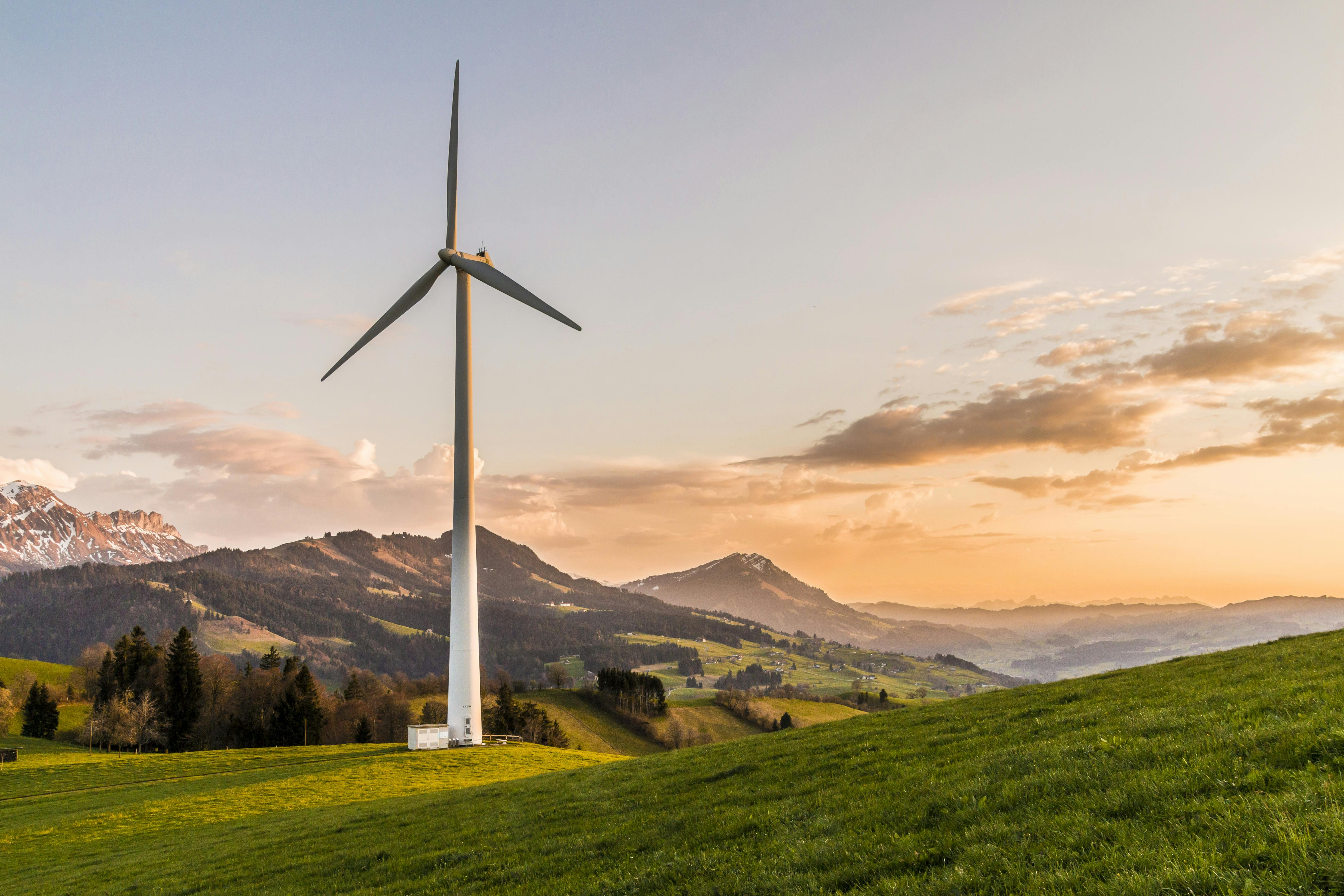
Wind turbines convert kinetic energy from moving air into electricity. Modern turbines are engineering marvels — standing over 200 meters tall with blades longer than a football field. Global wind capacity exceeds 900 GW, with offshore wind growing rapidly.
Power = ½ × air density × rotor area × wind speed cubed × efficiency (Betz limit: 59.3% maximum)
- Onshore Wind: Mature technology, lowest cost renewable in many regions. Average turbine capacity: 2-4 MW.
- Offshore Wind: Higher capacity factors (45-55% vs 35-45% onshore), larger turbines (10-15 MW). Floating platforms enable deep-water deployment.
- Repowering: Replacing old turbines with larger, more efficient units — doubling output without new land use.

💧 Hydropower: The Original Renewable
Hydropower is the largest source of renewable electricity globally, providing over 16% of world electricity. It offers unmatched flexibility — hydro plants can ramp up and down in minutes, providing grid stability.
Power = efficiency × water density × gravity × flow rate × head height
- Large Hydro: Dams with reservoirs (Three Gorges, 22.5 GW; Itaipu, 14 GW). Provide storage, flood control, irrigation.
- Run-of-River: No reservoir, smaller environmental footprint. Generate consistently but cannot store water.
- Pumped Storage: Pump water uphill during low demand, release during peak. Largest form of grid energy storage (160 GW globally).
- Small/Micro Hydro: Decentralized power for remote communities, minimal environmental impact.
🌋 Geothermal Energy: Earth's Internal Heat
Geothermal taps heat from the Earth's interior. Hot water or steam from underground reservoirs drives turbines. Geothermal provides baseload power — operating 24/7 regardless of weather.
| Type | Description | Applications |
|---|---|---|
| Dry Steam | Steam directly drives turbines | The Geysers, California (largest geothermal field) |
| Flash Steam | High-pressure hot water flashes to steam | Most common type, Iceland, New Zealand |
| Binary Cycle | Heat transfers to secondary fluid with lower boiling point | Lower temperature resources, widespread |
| Enhanced Geothermal (EGS) | Engineered reservoirs in hot dry rock | Expanding geothermal to non-volcanic regions |

🌾 Biomass Energy: Organic Power
Biomass energy converts organic materials — wood, agricultural residues, municipal waste, algae — into electricity, heat, or transportation fuels. Unlike fossil fuels, biomass is renewable because plants regrow.
- Biomass Power Plants: Burn biomass directly to produce steam for turbines. Co-firing with coal reduces emissions from existing plants.
- Biogas: Anaerobic digestion of organic waste produces methane-rich biogas for electricity or heating. Landfills, farms, wastewater treatment.
- Biofuels: Ethanol from corn/sugarcane, biodiesel from vegetable oils. Advanced biofuels from cellulosic feedstocks avoid food vs fuel competition.
- Pyrolysis & Gasification: Thermochemical conversion to synthetic gas (syngas) for power or liquid fuels.
🔋 Energy Storage: The Missing Piece
Solar and wind are variable — the sun doesn't always shine, the wind doesn't always blow. Energy storage enables renewables to provide reliable power around the clock.
| Technology | Duration | Applications |
|---|---|---|
| Lithium-ion Batteries | 1-4 hours | Grid services, frequency regulation, EV charging |
| Flow Batteries | 4-12 hours | Long-duration storage, commercial/industrial |
| Pumped Hydro | 8-100+ hours | Large-scale, long-duration storage |
| Compressed Air | 8-24 hours | Underground cavern storage |
| Green Hydrogen | Seasonal | Long-term, cross-sector decarbonization |
# Lithium-ion Battery Sizing
Battery Capacity (kWh) = Daily Load (kWh) × Days of Autonomy
Example: 30 kWh daily load, 1 day autonomy = 30 kWh battery

# Solar + Storage Sizing
Panel Capacity = Daily Load ÷ Peak Sun Hours ÷ Efficiency
Inverter Size = Peak Load (kW) × 1.2 (safety factor)
⚡ Grid Integration & Smart Grids
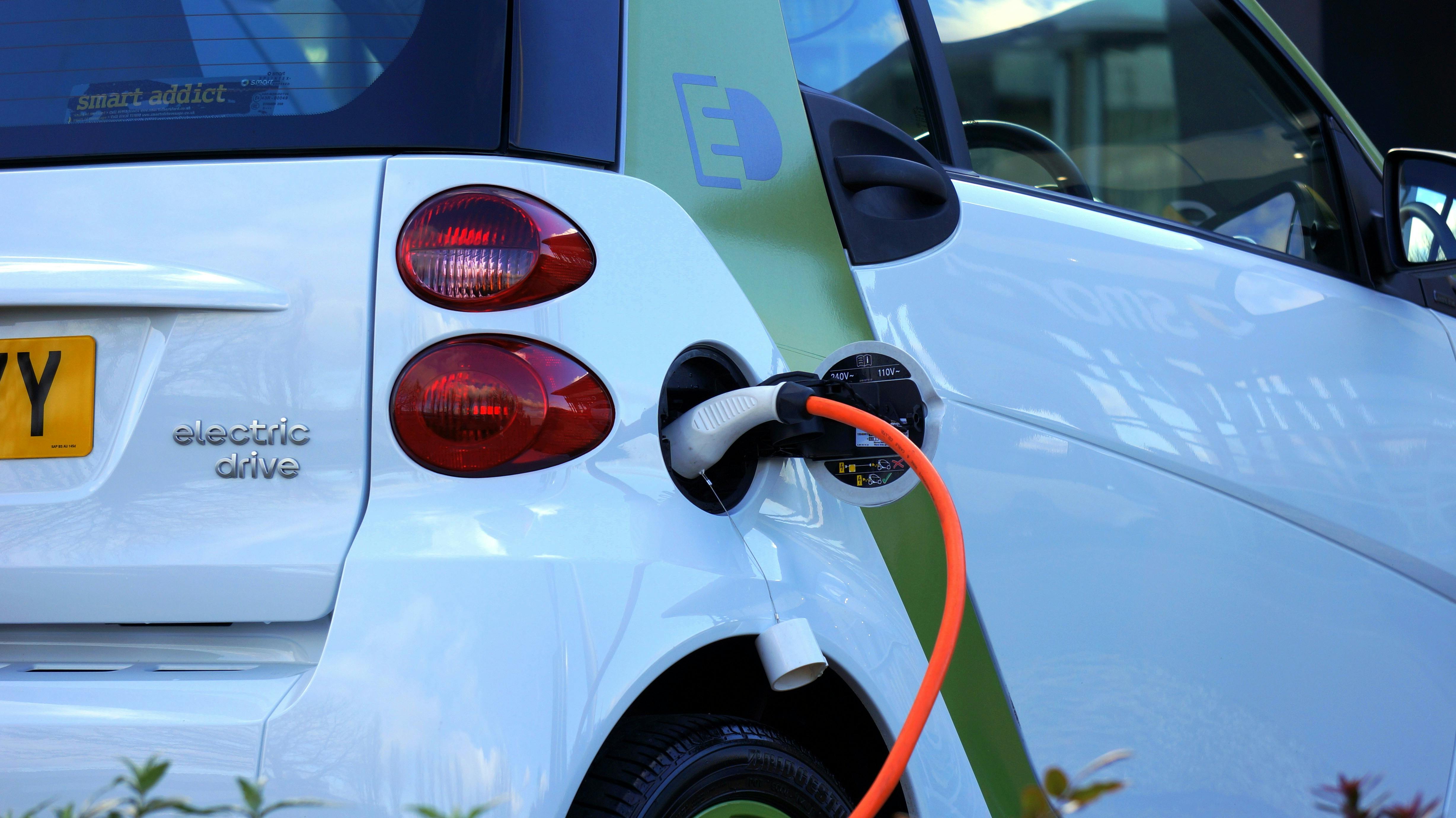
Integrating high levels of renewables requires modernizing the electrical grid. Smart grid technologies enable two-way communication, real-time monitoring, and automated control.
- Inverters: Convert DC from solar to AC grid power. Advanced inverters provide grid support functions.
- Demand Response: Adjust electricity consumption in response to grid conditions — shifting load to times of high renewable generation.
- Microgrids: Localized grids that can operate independently or connect to main grid. Enhance resilience and enable community renewables.
- Virtual Power Plants (VPPs): Aggregated distributed energy resources (rooftop solar, batteries, EVs) that function as a single power plant.
🚀 Next-Generation Renewable Technologies
- Floating Solar (Floatovoltaics): Solar panels on reservoirs, lakes, and oceans. Avoids land use, reduces evaporation, improves efficiency through water cooling.
- Airborne Wind Energy: Kites and drones harness stronger, more consistent winds at higher altitudes. Reduces materials vs traditional turbines.
- Wave & Tidal Energy: Captures ocean motion. Predictable (tides) and energy-dense (waves). Early-stage commercial deployment.
- Advanced Nuclear: Small modular reactors (SMRs) offer factory-built, scalable nuclear power. Generation IV reactors use alternative coolants for higher efficiency.
- Transparent Solar Cells: Windows that generate electricity while transmitting light. Building-integrated photovoltaics (BIPV).
- Perovskite-Silicon Tandems: Combining perovskite and silicon layers achieves efficiencies >30%, exceeding theoretical limits of silicon alone.
📊 Economics of Renewable Energy
Renewable energy has become the cheapest source of new electricity in most of the world. Levelized Cost of Energy (LCOE) measures the lifetime cost per unit of electricity.
| Technology | LCOE (2024, USD/MWh) | Trend |
|---|---|---|
| Utility Solar | $25-40 | ↓ 85% since 2010 |
| Onshore Wind | $30-50 | ↓ 70% since 2010 |
| Offshore Wind | $70-100 | ↓ 50% since 2015 |
| Coal | $65-150 | Flat |
| Natural Gas | $45-100 | Volatile with fuel prices |
🎓 Renewable Energy Careers
| Role | Typical Work | Salary Range |
|---|---|---|
| Solar PV Engineer | System design, site assessment, project development | $75-120k |
| Wind Energy Engineer | Turbine design, site analysis, O&M optimization | $80-130k |
| Energy Storage Engineer | Battery system design, integration, controls | $85-135k |
| Grid Integration Engineer | Renewable interconnection, power systems analysis | $80-125k |
| Policy & Finance Analyst | Project finance, policy analysis, market intelligence | $70-120k |