🌍 Seven Pillars of Earth & Environmental Science
Explore the interconnected systems that shape our planet—from the solid Earth beneath our feet to the living ecosystems that sustain biodiversity, from the changing climate to the waters that cover most of our world.
🖼️ Earth's Magnificent Systems
🔗 Explore Related Disciplines
🌏 Our Planet: A Complex, Interconnected System
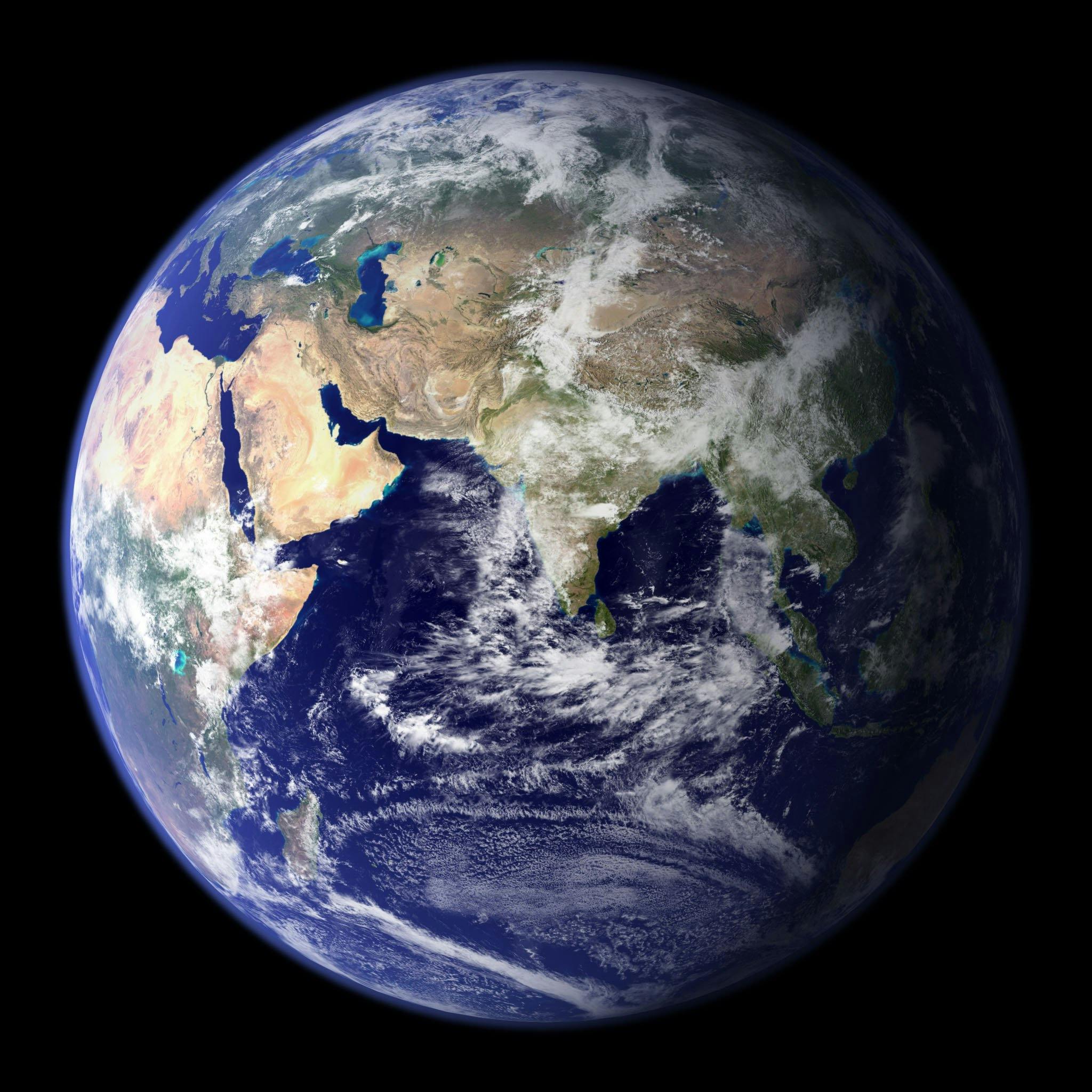
Earth is not merely a collection of separate components—it functions as an integrated system. The atmosphere, hydrosphere, geosphere, and biosphere interact through cycles of energy and matter. Carbon moves from the atmosphere into plants, through food webs, into soils, and eventually into geological storage. Water cycles through evaporation, precipitation, and runoff, shaping landscapes and sustaining life. Understanding these connections is essential for addressing environmental challenges.
🌡️ The Anthropocene: Humans as Geological Agents
Scientists increasingly recognize that we have entered a new geological epoch—the Anthropocene—in which human activity is the dominant influence on climate and the environment. From altering the composition of the atmosphere through greenhouse gas emissions to transforming land surfaces through agriculture and urbanization, humanity now shapes Earth systems at a planetary scale. Recognizing this responsibility is the first step toward sustainable stewardship.
🔄 Planetary Boundaries: Safe Operating Space for Humanity
In 2009, a group of Earth system scientists proposed the concept of planetary boundaries—thresholds that, if crossed, could lead to irreversible environmental change. These nine boundaries include climate change, biodiversity loss, land-system change, freshwater use, and biogeochemical flows (nitrogen and phosphorus cycles). Crossing these boundaries risks destabilizing Earth systems and undermining human well-being. Understanding these limits is essential for guiding sustainable development.
🌿 The Urgency of Environmental Action
The scientific consensus is clear: human activities are driving unprecedented changes to Earth's systems. Atmospheric CO₂ concentrations have risen from pre-industrial levels of 280 parts per million to over 420 ppm today—the highest in at least 800,000 years. Global average temperatures have increased by approximately 1.2°C, with accelerating impacts including more frequent and intense heatwaves, storms, and wildfires, as well as rising sea levels threatening coastal communities worldwide.
Yet the story is not one of inevitable decline. Solutions exist—from renewable energy and regenerative agriculture to ecosystem restoration and circular economies. The transition to a sustainable future requires technological innovation, policy transformation, and a fundamental shift in how we value nature. Environmental science provides the knowledge; collective action provides the path forward.
🔬 The Role of Environmental Science
Environmental science integrates knowledge from physics, chemistry, biology, geology, and social science to understand and address environmental challenges. It provides the evidence base for policy decisions, informs conservation strategies, and guides sustainable resource management. As environmental challenges grow more complex, the need for interdisciplinary approaches and collaborative solutions becomes increasingly urgent.
📊 Data, Monitoring, and Prediction
Satellite observations, ground-based monitoring networks, and sophisticated computer models allow scientists to track environmental change with unprecedented precision. From monitoring deforestation in the Amazon to measuring ocean acidification, from predicting hurricane tracks to projecting future climate scenarios, these tools provide critical information for decision-makers. The challenge lies in translating this knowledge into effective action.
📚 How to Master Earth and Environmental Science
- Think in Systems: Environmental challenges rarely have simple causes or solutions. Learn to think in terms of interconnected systems, feedback loops, and emergent properties.
- Integrate Disciplines: Earth science draws on physics, chemistry, biology, and social science. Building knowledge across these fields enriches understanding.
- Connect to Place: Understanding the local environment—your watershed, your geology, your ecosystems—makes abstract concepts concrete.
- Follow Current Research: Environmental science advances rapidly. Follow organizations like NASA Earth Observatory, NOAA, USGS, and IPCC reports.
- Engage with Solutions: Studying environmental problems is essential, but understanding solutions—from renewable energy to conservation—inspires action.