Chapter One: What is Sustainable Urban Planning?
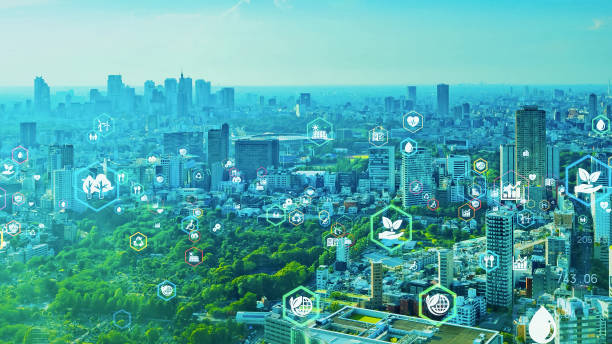
Sustainable urban planning is the practice of designing and managing cities to meet the needs of present inhabitants without compromising the ability of future generations to meet their own needs. It represents a fundamental shift from traditional urban development—which often prioritized economic growth and automobile convenience at the expense of environmental quality and social equity—toward a holistic approach that balances environmental stewardship, economic vitality, and social well-being.
As the world becomes increasingly urbanized—with the United Nations projecting that 68% of the global population will live in cities by 2050—the importance of sustainable urban planning has never been more urgent. Cities are both the primary contributors to climate change, responsible for approximately 70% of global carbon dioxide emissions, and the places most vulnerable to its impacts, from rising sea levels to extreme heat events. Yet cities also offer the greatest opportunities for innovation, efficiency, and collective action. Well-planned urban areas can reduce per capita energy consumption, preserve natural resources, foster economic opportunity, and enhance quality of life for millions of people.
Chapter Two: Core Principles of Sustainable Urban Planning
Sustainable urban planning rests on several interconnected principles that guide decision-making across scales, from individual buildings to metropolitan regions.
Compact and Mixed-Use Development
The compact city model concentrates development to reduce sprawl, preserve agricultural land and natural habitats, and make infrastructure more efficient. Mixed-use development combines residential, commercial, cultural, and recreational uses within the same neighborhood, reducing the need for automobile travel and creating vibrant, walkable communities. The "15-minute city" concept, popularized by urbanist Carlos Moreno, proposes that all essential amenities—work, education, healthcare, shopping, recreation—should be accessible within a 15-minute walk or bike ride from any residence.
Transit-Oriented Development
Transit-oriented development (TOD) concentrates housing, employment, and services around public transportation nodes such as train stations, bus rapid transit corridors, and light rail lines. By reducing automobile dependency, TOD lowers transportation emissions, decreases traffic congestion, and makes public transit more viable and convenient. Successful examples include Copenhagen's Finger Plan, which directed growth along rail corridors, and Curitiba, Brazil's bus rapid transit system, which has inspired cities worldwide.
Green Infrastructure and Natural Systems
Green infrastructure integrates natural systems into the urban fabric to manage stormwater, reduce heat island effects, improve air quality, and provide habitat for wildlife. This includes parks and green spaces, green roofs, rain gardens, permeable pavements, urban forests, and restored waterways. Beyond environmental benefits, green infrastructure provides significant social and economic returns, including improved public health, increased property values, and enhanced community cohesion.
Benefits of Green Infrastructure
Stormwater Management: Reduces flooding and water pollution by absorbing rainfall where it falls
Urban Cooling: Trees and vegetation reduce surface temperatures by up to 20-45°F compared to paved surfaces
Air Quality: Trees remove particulate matter, nitrogen oxides, and other pollutants from urban air
Mental Health: Access to green space reduces stress, improves cognitive function, and promotes physical activity
Biodiversity: Urban green spaces provide habitat for birds, pollinators, and other wildlife
Resilience and Adaptation
Resilience refers to a city's ability to withstand, adapt to, and recover from shocks and stresses—whether acute events like floods, earthquakes, and heatwaves, or chronic stresses like sea-level rise, water scarcity, and economic inequality. Sustainable urban planning incorporates resilience through measures such as floodable parks that absorb storm surge, distributed energy systems that maintain power during outages, and building codes that anticipate future climate conditions.
Equity and Social Inclusion
Sustainable cities must serve all residents, not only the wealthy or privileged. This means ensuring affordable housing near jobs and transit, designing accessible public spaces for people of all ages and abilities, engaging marginalized communities in planning processes, and addressing historical injustices such as redlining and infrastructure disinvestment. Environmental justice—the principle that no community should bear disproportionate environmental burdens—is central to equitable urban planning.
Chapter Three: Sustainable Transportation and Mobility
Transportation accounts for approximately 25% of global energy-related CO2 emissions, with urban passenger transport representing a significant share. Sustainable urban planning reimagines mobility as a system of interconnected options rather than automobile-dominated infrastructure.
Active Transportation
Walking and cycling are the most sustainable forms of transportation—emitting no carbon, improving public health, and strengthening community connections. Creating safe, connected networks for pedestrians and cyclists requires dedicated infrastructure: protected bike lanes, pedestrianized streets, wide sidewalks, safe crossings, and traffic calming measures. Cities like Amsterdam, Copenhagen, and Bogotá have demonstrated that with political will and investment, cycling and walking can become primary modes of urban transport.
Public Transit Investment
High-quality public transit is essential for sustainable urban mobility. This includes bus rapid transit (BRT), light rail, commuter rail, and subway systems that are frequent, reliable, affordable, and well-integrated with other modes. Transit-oriented development concentrates density around stations, creating ridership while providing residents with car-free living options. Curitiba's BRT system, developed in the 1970s, remains a global model for cost-effective, high-capacity transit.
Electric Vehicles and Shared Mobility
While electric vehicles reduce tailpipe emissions, they do not solve congestion, land use, or equitable access challenges. Sustainable urban planning therefore combines EV adoption with reduced vehicle miles traveled through compact development, robust transit, and shared mobility services such as carshare, bikeshare, and ride-hailing that complement rather than compete with public transit.
Transportation Modes: Environmental and Social Impacts
| Mode | CO2 Emissions (per passenger mile) | Space Efficiency | Health Impact |
|---|---|---|---|
| Walking | Zero | Most efficient | Very positive |
| Bicycle | Zero | Very efficient | Very positive |
| Public Transit (Bus) | Moderate (per passenger) | Efficient | Neutral to positive |
| Public Transit (Rail) | Low | Very efficient | Neutral |
| Electric Vehicle | Low to moderate (varies by grid) | Inefficient | Neutral |
| Gasoline Vehicle | High | Very inefficient | Negative |
Chapter Four: Energy Efficiency and Sustainable Buildings
Buildings account for nearly 40% of global energy-related CO2 emissions, making building performance central to sustainable urban planning. The most sustainable building is one that already exists—preserving embodied carbon and preventing demolition waste—but new construction must meet the highest standards of efficiency and sustainability.
Net Zero and Passive House Standards
Net zero buildings produce as much energy as they consume through on-site renewable generation, combined with extreme efficiency. The Passive House (Passivhaus) standard, developed in Germany, achieves 75-90% energy savings for heating and cooling through superinsulation, airtight construction, high-performance windows, and heat recovery ventilation. These standards are applicable to single-family homes, multifamily buildings, schools, and offices.
Green Building Certification
Rating systems like LEED (Leadership in Energy and Environmental Design), BREEAM, and Living Building Challenge provide frameworks for sustainable design, construction, and operation. These systems address site selection, water efficiency, energy performance, materials selection, indoor environmental quality, and innovation. While certification is voluntary, many cities now require or incentivize green building practices through zoning codes and permitting processes.
District Energy and Renewable Integration
At the neighborhood scale, district energy systems provide heating and cooling from centralized plants, achieving efficiencies impossible with individual building systems. Combined heat and power (CHP) plants, geothermal networks, and solar thermal installations can serve entire districts, reducing emissions and costs. Cities are also integrating renewable energy generation—solar panels on rooftops, wind turbines in appropriate locations—into the urban fabric.
Case Study: Vauban, Freiburg, Germany
Vauban is a sustainable district built on the site of a former French military base in Freiburg, Germany. Key features include:
- Car-free streets and extensive pedestrian/bicycle infrastructure
- Passive House standard for all buildings
- District heating powered by a combined heat and power wood-chip plant
- Extensive green space and stormwater management
- Cooperative ownership models and community engagement
Vauban demonstrates that sustainable urban planning can achieve high quality of life, strong community, and environmental performance simultaneously.
Chapter Five: Water, Waste, and Circular Systems
Sustainable cities manage water and waste as resources rather than problems, adopting circular economy principles that eliminate waste and continuously use resources.
Water-Sensitive Urban Design
Water-sensitive urban design (WSUD) manages stormwater as a resource, mimicking natural hydrology through green roofs, rain gardens, permeable pavements, and constructed wetlands. These systems reduce flooding, filter pollutants, recharge groundwater, and create amenity. In water-scarce regions, cities implement water efficiency measures, rainwater harvesting, and water recycling to reduce demand on stressed supplies.
Zero Waste Cities
Many cities have adopted zero waste goals, aiming to divert 90% or more of waste from landfills through reduction, reuse, recycling, and composting. San Francisco, which achieved 80% diversion, serves as a model through comprehensive recycling and composting programs, product stewardship policies, and public education. Circular economy approaches go beyond waste management to redesign products and systems for durability, repairability, and material recovery.
Circular Economy Principles in Urban Planning
Material Efficiency: Using fewer materials in construction through optimized design and lightweight structures
Adaptive Reuse: Preserving and adapting existing buildings rather than demolishing and rebuilding
Deconstruction: Dismantling buildings to salvage materials for reuse, preserving embodied carbon
Industrial Symbiosis: Using waste from one process as input for another, creating closed-loop systems
Local Materials: Using regionally sourced materials to reduce transportation emissions and support local economies
Chapter Six: Social Sustainability and Community Engagement
Environmental sustainability cannot be achieved without social sustainability—cities must be equitable, inclusive, and responsive to the needs of all residents. Social sustainability encompasses affordable housing, public space, community health, cultural vitality, and meaningful participation in decision-making.
Affordable Housing and Inclusionary Zoning
Housing affordability is the most pressing social challenge in many cities. Sustainable urban planning addresses this through inclusionary zoning policies that require or incentivize affordable units in new developments, preservation of existing affordable housing, and investment in social housing. Locating affordable housing near transit and jobs is essential to prevent displacement and ensure equitable access to opportunity.
Public Space and Social Infrastructure
Parks, plazas, libraries, community centers, and public markets are essential social infrastructure that builds community cohesion, supports civic engagement, and improves mental and physical health. Equitable distribution of public space—ensuring every neighborhood has access to quality parks and gathering places—is a core principle of sustainable urban planning.
Participatory Planning
Meaningful community engagement moves beyond token consultation to genuine participation in decision-making. This includes participatory budgeting, where residents decide how to allocate public funds; community benefits agreements that secure local investments in development projects; and community land trusts that enable resident ownership of land and housing.
Chapter Seven: Smart Cities and Digital Infrastructure
Technology offers powerful tools for sustainable urban planning, from sensors that monitor air quality to platforms that enable participatory planning. However, the smart city movement must be guided by principles of privacy, equity, and human-centered design.
Data-Driven Planning
Urban analytics using mobility data, energy consumption patterns, and environmental monitoring enable evidence-based decision-making. Cities use geographic information systems (GIS) to map vulnerable populations, identify heat islands, and plan infrastructure investments. Open data portals make information accessible to researchers, entrepreneurs, and residents, fostering innovation and accountability.
Digital Twins and Simulation
Digital twins—virtual replicas of physical cities—allow planners to simulate scenarios, test interventions, and optimize systems before implementing them in the real world. Digital twins can model energy demand, transportation flows, flood risk, and other complex urban systems, enabling more resilient and efficient design.
Case Study: Songdo International Business District, South Korea
Songdo was designed as a "smart city" from the ground up, incorporating ubiquitous sensors, automated infrastructure, and integrated building management systems. While the project has been criticized for lacking social vibrancy, it demonstrates the potential and limitations of technology-centric urban planning. Lessons from Songdo emphasize the need to balance technological innovation with human-scale design and community engagement.
Chapter Eight: Climate Adaptation and Urban Resilience
Even with aggressive emissions reductions, cities must adapt to climate impacts already underway. Resilience planning prepares urban systems to withstand and recover from shocks and stresses.
Coastal Adaptation
Coastal cities face sea-level rise, storm surge, and tidal flooding. Adaptation strategies range from hard infrastructure like sea walls and storm surge barriers to nature-based solutions like restored wetlands and oyster reefs that absorb wave energy while providing habitat. Planned retreat—relocating development away from vulnerable areas—is increasingly recognized as necessary in some locations.
Urban Heat Island Reduction
Urban areas are significantly warmer than surrounding rural areas due to dark surfaces and lack of vegetation. Heat island reduction strategies include increasing tree canopy, using reflective (cool) roofs and pavements, and preserving ventilation corridors. These measures save lives during heat waves, reduce energy demand, and improve comfort.
Resilience Strategies for Cities
Sponge City Concept: Using green infrastructure to absorb and manage stormwater, reducing flooding risk while creating amenity
Distributed Energy: Microgrids, solar with battery storage, and combined heat and power maintain essential services during grid outages
Emergency Preparedness: Community networks, backup facilities, and redundant infrastructure ensure continuity during disasters
Climate-Responsive Building Codes: Standards for wind resistance, flood-proofing, and passive survivability protect occupants during extreme events
Chapter Nine: The Future of Sustainable Urban Planning
Sustainable urban planning is not a static set of practices but an evolving discipline responding to emerging challenges and opportunities. Several trends will shape the future of cities.
The 15-Minute City and Post-Pandemic Planning
The COVID-19 pandemic accelerated interest in the 15-minute city concept, emphasizing local access to essential services and reducing long commutes. Cities are repurposing street space for outdoor dining, expanding bike infrastructure, and supporting local businesses in ways that create more resilient, equitable neighborhoods.
Regenerative Cities
Beyond sustainability, the concept of regenerative cities proposes that urban areas should restore ecosystems, improve environmental quality, and enhance human well-being. Regenerative approaches go beyond minimizing harm to actively creating positive outcomes for people and planet.
New Mobility and Autonomous Vehicles
Autonomous vehicles, micromobility (e-scooters, e-bikes), and mobility-as-a-service platforms promise to transform urban transportation. Whether these technologies advance or hinder sustainability depends on policy choices—prioritizing shared, electric, and active modes over single-occupancy vehicles.
Sustainable urban planning is ultimately about creating cities that work for people and planet—places where children can walk safely to school, where neighbors know one another, where nature is integrated into daily life, and where economic opportunity is accessible to all. These are not utopian aspirations but achievable goals, demonstrated by cities around the world that are reimagining what urban life can be.